There was a time when Celsius looked unstoppable.
I still remember seeing countless crypto investors praise the platform as a safer alternative to traditional banking. The promise sounded simple: deposit your crypto, earn yield, and let your assets work for you.




Then reality arrived.
The collapse of Celsius became one of the defining moments of the crypto bear market, wiping out billions of dollars in customer funds and shaking confidence across the entire digital asset industry.
Now, years later, the story has reached another major milestone.
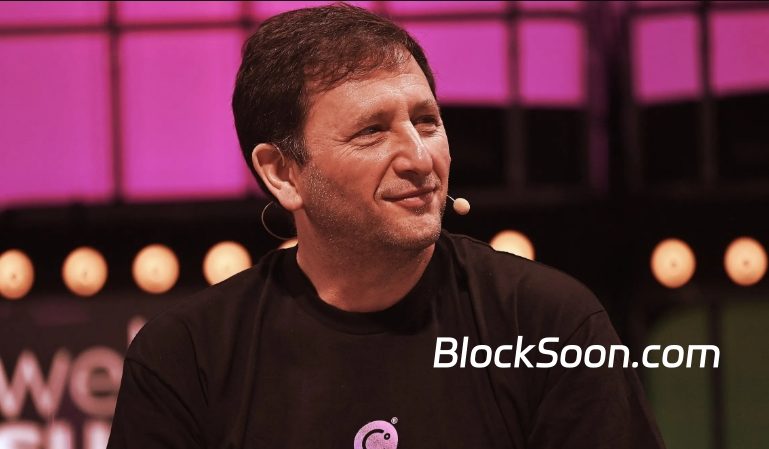
Former Celsius CEO Alex Mashinsky has reached a final settlement with the U.S. Commodity Futures Trading Commission. Under the agreement, he will face a lifetime ban from participating in commodity markets and crypto derivatives markets.
For many former Celsius customers, this may feel like the closing chapter of a painful book.
A Punishment That Sends a Message
Financial penalties often make headlines.
Lifetime bans are different.
A fine can be paid.
A suspension eventually expires.
A permanent ban follows someone for the rest of their career.
That is why this settlement stands out.
Regulators appear determined to show that leadership accountability matters when large financial platforms fail.
The message is difficult to miss.
If executives oversee businesses handling billions of dollars in customer assets, regulators expect those responsibilities to be taken seriously.
The Industry Has Changed Since Celsius Collapsed
Crypto in 2026 looks very different from crypto in 2022.
Back then, many investors chased yield without asking enough questions.
Today, risk management has become part of almost every serious conversation.
Investors now pay closer attention to:
- Proof of reserves
- Asset custody practices
- Regulatory compliance
- Balance sheet transparency
- Counterparty risk
Those topics were often ignored during the bull market.
The Celsius bankruptcy forced people to look at them.
Painful lessons tend to leave lasting impressions.
A Conversation Many Investors Learned the Hard Way
Investor:
This platform offers double-digit yields. Why would I leave money in a bank?
Market reality:
Where is that yield coming from?
Investor:
The company says everything is safe.
Market reality:
Can the company prove it?
That exchange may sound simple.
Yet billions of dollars disappeared because too few people asked those questions early enough.
Why This Matters Beyond Celsius
What interests me most is not the punishment itself.
It is what happens next.
On the same week regulators continue debating stablecoin legislation and stricter compliance requirements, the final resolution of the Celsius case serves as another reminder that oversight is becoming a permanent part of the crypto ecosystem.
The industry spent years arguing whether regulation would arrive.
That debate is largely over.
The real discussion now focuses on what kind of regulation will shape the next decade.
Large institutions entering crypto want legal certainty.
Governments want stronger consumer protections.
Investors want transparency.
Those goals are starting to overlap more than they did during previous market cycles.
Trust Remains Crypto’s Most Valuable Asset
Technology can be rebuilt.
Markets can recover.
Prices can rebound.
Trust is harder to restore.
The Celsius collapse damaged trust across the entire lending sector. Some companies survived by improving transparency. Others disappeared completely.
Every major enforcement action since then has pushed the industry toward higher standards.
Whether someone supports aggressive regulation or prefers a lighter approach, one reality remains clear.
The future winners in crypto will likely be the companies that can combine innovation with credibility.
The downfall of Celsius showed what happens when confidence evaporates.
The lifetime ban against Alex Mashinsky may officially close the legal chapter, but the lessons from the collapse will continue shaping crypto markets for many years to come.