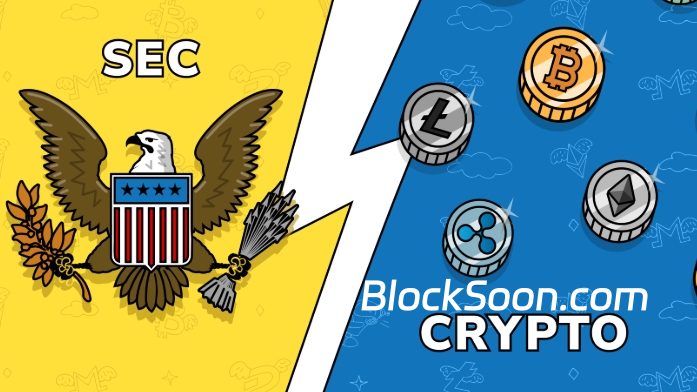
The lines between traditional stocks and crypto are blurring faster than I expected. Chairman Paul Atkins is pushing an experimental, lighter-touch approach that lets crypto-native platforms offer tokenized versions of US stocks directly on blockchain. No full traditional exchange disclosure burdens. This could change how we all buy, sell, and hold shares.
It makes sense when you think about the momentum already building. Nasdaq scored approval earlier to tokenize Russell 1000 stocks. DTCC is gearing up for a big pilot with major institutions starting this July, full rollout planned for October. Wall Street isn’t waiting around—they’re leaning in while crypto platforms get ready to compete head-on.




This feels like a genuine bridge moment. For years we’ve talked about 24/7 trading, instant settlement, and fractional ownership without the usual middlemen friction. Now it looks like policy is catching up. I keep imagining my portfolio moving seamlessly between traditional brokers and blockchain wallets, with the same underlying Apple or Tesla shares but in tokenized form.
Let me sketch out a quick exchange I picture happening between two investors over coffee:
- Regular trader: Finally, I can trade stocks at midnight without waiting for market open.
- Crypto native: And settle instantly on chain. No more T+1 worries.
- Skeptic friend: But what about the risks if something glitches?
- Optimist: Same rights, same CUSIP, just wrapped in blockchain efficiency.
The conversation gets lively fast because the upside is huge, yet the unknowns linger.
A few things that stand out as this unfolds:
- Accessibility boost: Fractional tokenized shares could open serious opportunities for smaller investors who want pieces of big names without full share prices.
- Competition spike: Crypto platforms going toe-to-toe with legacy exchanges might drive better fees, faster innovation, and round-the-clock liquidity.
- Regulatory balance: Atkins’ innovation exemption keeps some guardrails while avoiding heavy-handed rules that stifle experiments. Smart move if executed well.
- Global ripple: Other countries watching closely could accelerate their own tokenization plays, putting pressure on the US to stay ahead.
I’ve been tracking these shifts since the early Bitcoin days, and this one hits different. It’s not hype about some new meme coin. It’s real infrastructure meeting established companies. SpaceX’s recent IPO drama with ESG ratings showed how traditional systems sometimes clash with forward momentum. Here, the SEC seems more open to letting technology reshape markets instead of forcing everything into old molds.
Of course, challenges remain. Security, custody, and potential fragmentation between tokenized and traditional versions of the same stock need careful handling. But the direction feels right for a world where capital moves at digital speed. Investors who adapt early could see real advantages in liquidity and cost savings.
I’m watching closely to see how quickly platforms roll this out and whether everyday retail accounts start offering tokenized options. The next few months will reveal if this experiment delivers on the promise or hits unexpected snags. Either way, the old separation between crypto and stocks is fading fast.