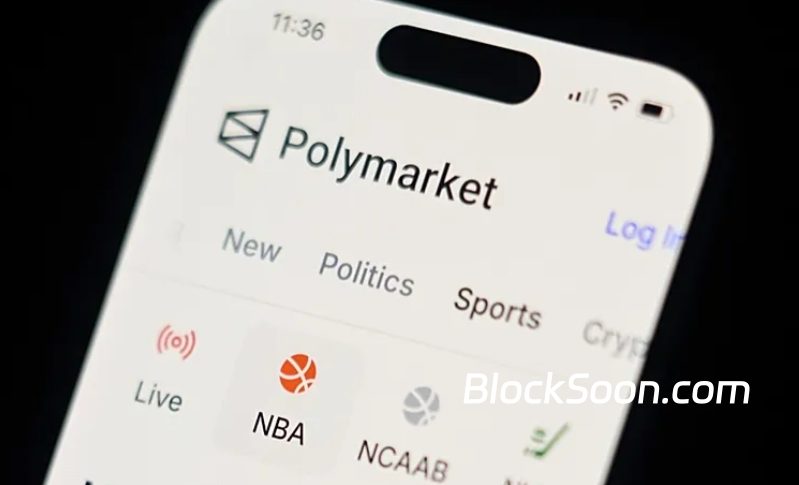
This prediction market platform, one of the hottest names in the recent bull run, now sits in the middle of a serious trust meltdown. The report details how they paid creators thousands of dollars a month to film themselves placing massive bets and racking up huge wins on cloned test sites like poiymarket.com. Those weren’t real trades. They were staged simulations showing nearly 900,000 dollars in fake profits across over a hundred videos.
It feels disappointing because prediction markets like Polymarket promised something refreshing—crowd wisdom on real-world events without the usual Wall Street gatekeepers. Yet this tactic smells like old-school marketing deception dressed up in crypto clothes. The videos racked up massive views on TikTok, YouTube, and Instagram, often aimed at audiences who might not dig too deep into the fine print.




The numbers paint a troubling picture. Creators got paid well to act excited about wins that never happened on the live platform. In reality, many of those simulated bets would have lost money. And with Polymarket still restricted for US users after past fines, pushing this content stateside raises fresh compliance questions.
I keep thinking back to how quickly these platforms grew during election seasons. People loved the thrill of betting on outcomes with real money on the line. But when marketing crosses into misleading territory, it erodes the very transparency prediction markets claim to offer. It reminds me of those flashy forex trading ads from years ago that showed Lamborghinis and private jets—great for clicks, terrible for long-term credibility.
Picture this chat between two friends scrolling through their feeds:
- Friend one: Dude, look at this guy turning 5k into 100k on Polymarket overnight. I’m signing up.
- Friend two: Wait, the comments say it’s all staged on a fake site.
- Friend one: But it looked so real. Everyone’s posting these wins.
- Friend two: Exactly. That’s the problem.
The backlash on X has been swift and harsh, with users calling it outright misleading. Some worry it targets Americans circumventing restrictions through VPNs, which could invite regulators back into the picture.
A few key issues this situation highlights for me:
- Transparency gap: Paid promotions need clear disclosure, especially when real money is involved. Hiding the test environment tricks newcomers.
- Creator incentives: Monthly salaries in the low thousands sound tempting for college-age influencers, but it creates a pipeline of polished content that doesn’t reflect average user results.
- Platform responsibility: With hundreds of millions of views, the reach amplifies any deception far beyond traditional ads.
- Industry ripple: This could make legitimate players like Kalshi face extra scrutiny and slow adoption of prediction markets overall.
I’ve seen enough crypto cycles to know hype cycles often outpace reality. Polymarket built real volume and interesting markets on everything from politics to pop culture. Yet shortcuts like this undermine the case for decentralized finance being more honest than legacy systems. The company has reportedly promised an audit of its promotions, which is a necessary first step, but rebuilding trust will take time.
Broader lesson here ties into other recent stories. We just talked about tokenization efforts from the SEC and traditional finance adapting to blockchain speed. Those moves require credibility. When a leading crypto platform gets caught staging success stories, it gives ammunition to skeptics who say the whole space still has too much smoke and mirrors.
I’m not writing Polymarket off completely. Prediction markets have genuine utility if executed with integrity. But this episode is a reminder that flashy videos don’t equal sustainable growth. Users should dig into the actual trading data, check win rates, and remember most participants lose money over time. Smart money stays cautious when the marketing feels too perfect.
The coming weeks will show how Polymarket responds and whether this dents their momentum. For anyone considering these platforms, treat the highlight reels with heavy skepticism. Real markets reward research, not viral clips.