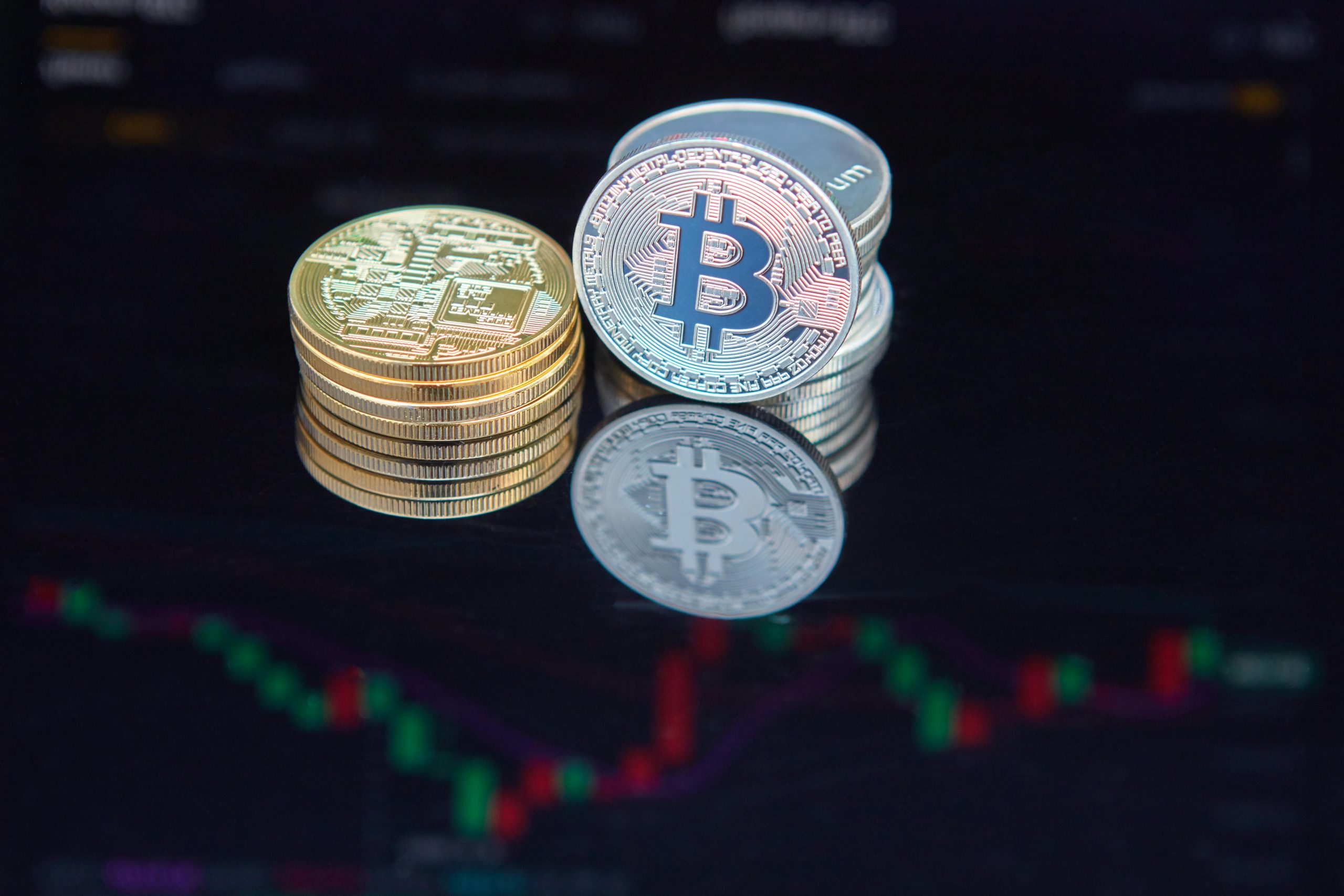

I’ve been watching the charts this weekend and it’s been a classic case of geopolitics messing with crypto sentiment. Bitcoin sitting right around 64,000 dollars feels like it’s holding its breath while bigger forces play out. The US-Iran situation is the main driver right now. Switzerland kicked off permanent ceasefire talks, which should be calming news, yet Iran is back to threatening the closure of the Strait of Hormuz. That narrow waterway handles a huge chunk of global oil flow, so any real disruption spikes energy prices and risk-off moves across markets.
It creates this weird tug-of-war. One minute headlines suggest diplomatic progress, the next we get fresh warnings about a potential choke point in energy supplies. No wonder Bitcoin refuses to break decisively higher or lower. Traders are pricing in uncertainty rather than conviction.




This kind of volatility reminds me how macro forces still dominate crypto narratives. Even with all the institutional adoption talk, a single shipping lane threat can keep prices pinned. I’ve seen it before in past cycles where Middle East tensions sent safe-haven bids into gold and sometimes Bitcoin, but right now it’s more sideways chop.
Tom Lee from Wall Street added another layer with his recent comments. He flagged the Fed’s increasingly dovish tilt and warned investors to brace for a potential correction later this year that could feel like a mini bear market. That combination—geopolitical jitters plus monetary policy caution—explains why many are staying patient instead of piling in aggressively.
Let me share a quick imagined conversation I overheard in a trading group chat vibe:
- Trader A: Bitcoin at 64k again. Is this the dip to buy before the next leg up?
- Trader B: Not with Hormuz heating up. Oil could spike and drag everything.
- Trader A: But ceasefire talks in Switzerland sound positive.
- Trader B: True, until the next Iranian statement. Tom Lee’s bear market warning isn’t helping my conviction either.
The back and forth captures the mood perfectly. Hope mixed with healthy skepticism.
A few angles worth keeping in mind as this develops:
- Energy price sensitivity: Any actual closure or even credible threat to the Strait of Hormuz pushes oil higher, which often correlates with short-term pressure on risk assets like Bitcoin.
- Safe haven flows: In past crises, Bitcoin has sometimes behaved like digital gold. If tensions ease, that narrative could flip back to growth mode quickly.
- Fed policy overlap: A dovish central bank might support markets long term, but Lee’s point about a corrective phase makes sense after strong runs. Liquidity matters.
- Broader crypto resilience: Platforms like Polymarket we discussed earlier would be seeing heavy volume on these exact outcomes right now, showing real utility even amid the noise.
I’ve followed these intersections for years. The SpaceX IPO drama, SEC tokenization moves, and now this geopolitical crypto standoff all point to the same theme: traditional systems and new tech are colliding in messy but fascinating ways. Bitcoin at these levels feels like a pause button rather than a breakdown. Institutions are still accumulating on dips, but retail gets shaken out by headlines.
The next few days will be telling. If ceasefire momentum builds and Iran dials back the rhetoric, we could see a clean break above 64k. If not, expect more ranging and opportunities for patient buyers. Either way, this environment rewards those who look past the daily noise and focus on the bigger picture of adoption and utility.
I’m staying constructive overall. Markets love to climb walls of worry, and right now there’s plenty of worry to go around.