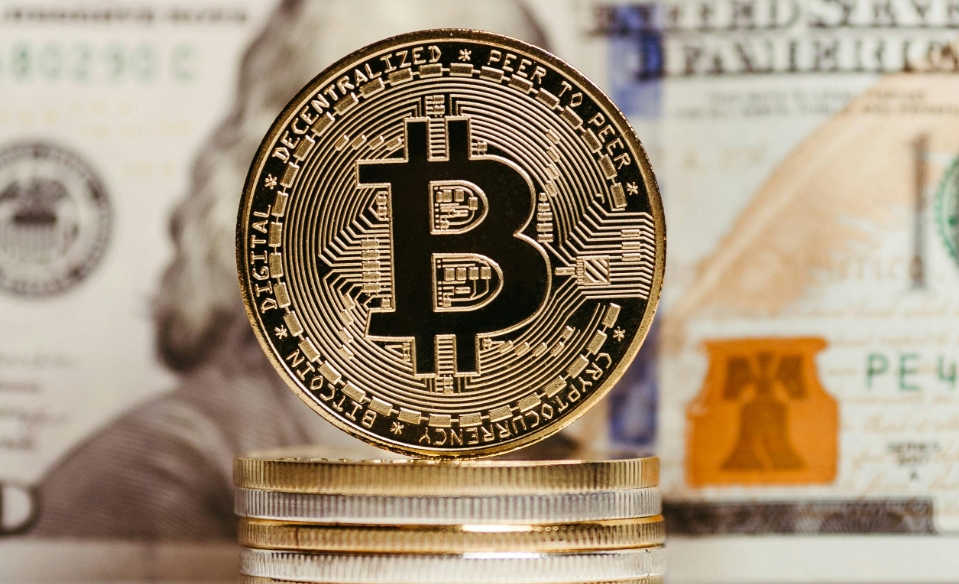
The question “Is Bitcoin legal in India?” has been a hot topic among investors and tech enthusiasts alike, especially with the recent changes in regulations. The landscape of cryptocurrency in India is evolving, and understanding the latest rules can be a bit daunting. But don’t worry! In this guide, we’ll break down everything you need to know about Bitcoin’s legal status and the new regulations set for
The Current Legal Status of Bitcoin in India

As of now, Bitcoin and other cryptocurrencies are not illegal in India, but they are also not officially recognized as legal tender. This means you cannot use Bitcoin to pay for everyday goods and services as you would with the Indian Rupee (₹). However, you can buy, sell, and trade cryptocurrencies through various platforms, rendering it a legal asset class. The Reserve Bank of India (RBI) has clarified that it does not endorse cryptocurrencies but hasn’t placed a complete ban on their use.




Understanding the 2026 Regulations
Fast forward to 2026, and the Indian government has rolled out stricter regulations that significantly impact Bitcoin trading. Here’s a breakdown of the key changes:
30% Flat Tax on VDA Gains: Any profits generated from the sale of Virtual Digital Assets (VDA), including Bitcoin, will be taxed at a flat rate of 30%. This means that if you were to sell your Bitcoins for a profit, you’d owe the government ₹30 for every ₹100 in gains over the financial year.
1% Tax Deducted at Source (TDS): Another important change is the introduction of a 1% TDS on every cryptocurrency transaction. This TDS will be deducted at the time of trading, which means if you sell or swap cryptocurrencies, the amount will be withheld directly from your transaction.
FIU-India Compliance: Any offshore exchanges, such as Binance or KuCoin, that operate in India must adhere to regulations put forth by the Financial Intelligence Unit of India (FIU-India). This compliance is aimed at preventing money laundering and ensuring user safety, making it necessary for exchanges to implement KYC (Know Your Customer) norms.
Key Takeaways for Investors
Understanding these rules is essential for anyone looking to invest in Bitcoin or other cryptocurrencies in India. Here are some important considerations:
Record Keeping: With the introduction of taxes, maintaining proper records of your transactions becomes vital. Keep track of your purchase prices and sale prices to calculate your gains accurately.
Choose Your Exchange Wisely: Look for exchanges that comply with FIU-India regulations and provide robust security features. This may save you from potential losses or legal issues down the line.
Tax Planning: Given the hefty 30% tax on gains, it might be worth consulting a financial advisor to understand how to best manage your crypto investments within the tax framework.
Comparison Table: Tax Implications
| Transaction Type | Tax Rate | TDS Rate |
|---|---|---|
| Selling Bitcoin | 30% | 1% |
| Buying Bitcoin | N/A | N/A |
| Exchanging Cryptos | 30% | 1% |
Pro-Tip for Indian Traders
When trading cryptocurrencies, always use secure payment methods like UPI (Unified Payments Interface), IMPS (Immediate Payment Service), or Net Banking for your transactions. These methods not only facilitate quick transactions but also offer a traceable record that might help during tax calculations.
Conclusion
In summary, Bitcoin is legal in India but comes with a set of stringent regulations that require your compliance. The laws regarding taxation and TDS make it essential for traders and investors to stay informed and disciplined. While the world of cryptocurrencies can feel overwhelming at times, being proactive and informed will empower you to navigate this landscape successfully.
Remember, investing in Bitcoin isn’t just about potential profits; it’s equally about understanding your obligations as a responsible investor in India’s evolving regulatory environment. Stay informed, and you’ll be well on your way to making sound financial decisions regarding your crypto investments!