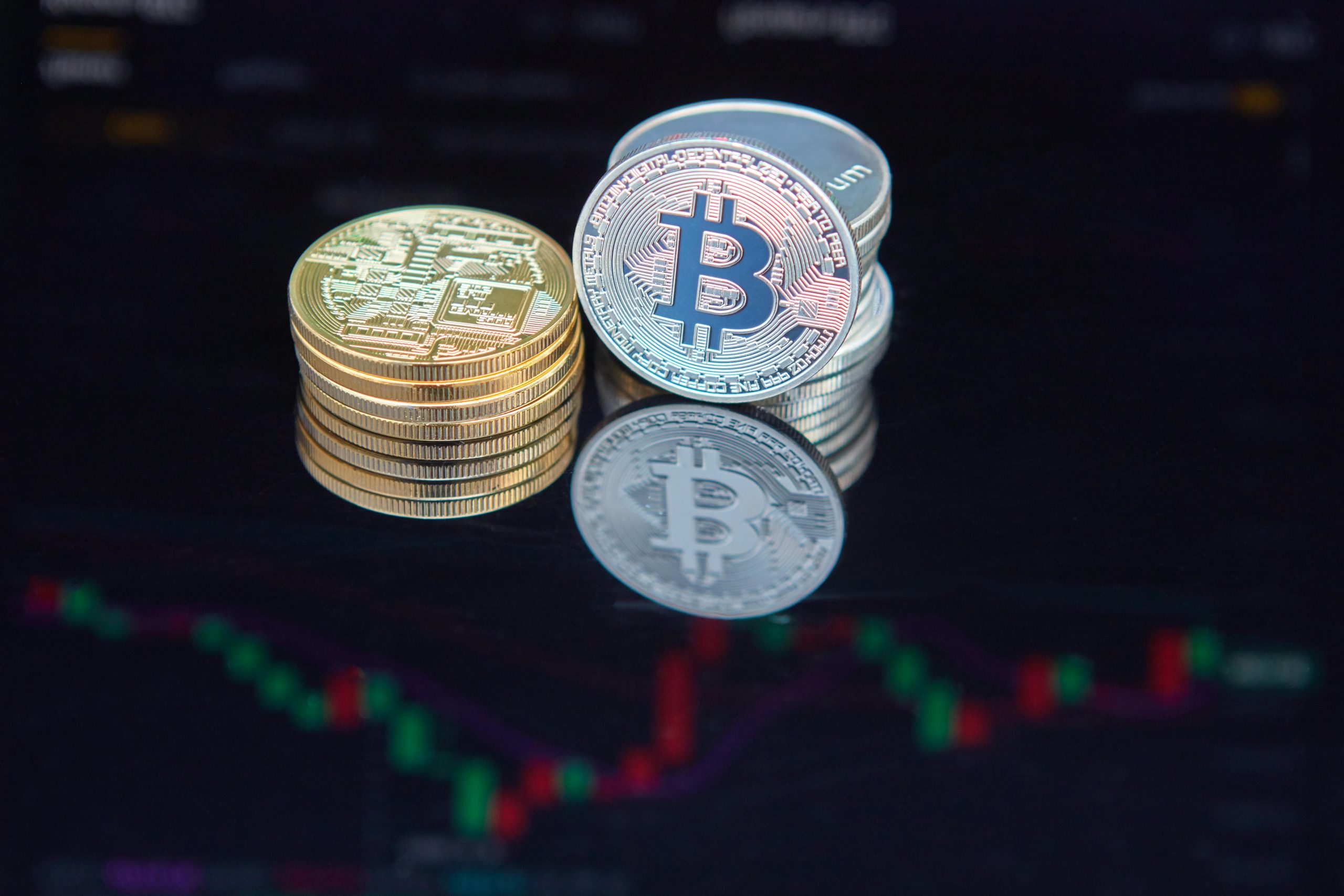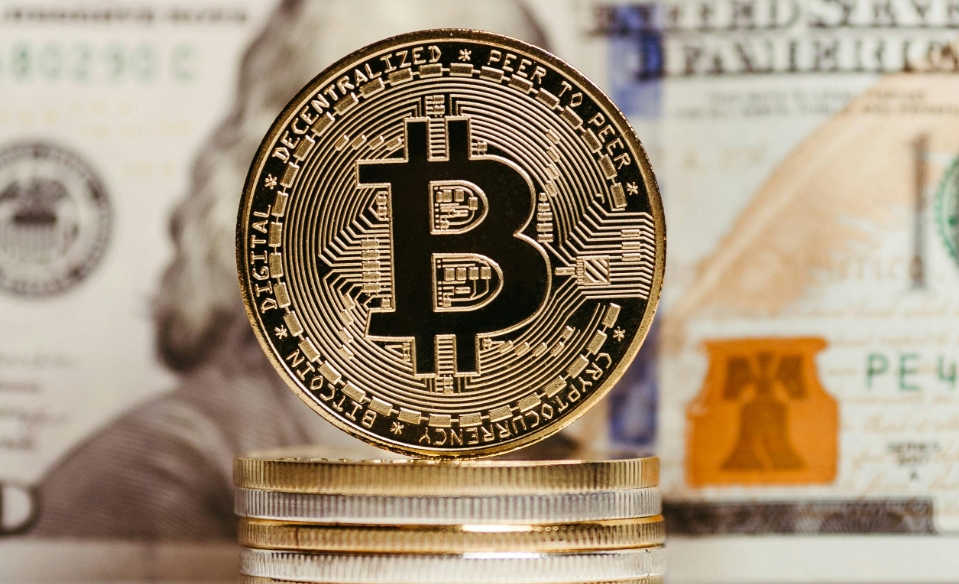

If you are staring at the Bitcoin ticker today and wondering where we will be by 2026, you are definitely not alone. The magic number floating around Indian crypto circles lately is 1.5 Crore Rupees. To hit that milestone, Bitcoin would need to climb to roughly 180,000 Dollars, assuming the exchange rate stays somewhat steady. It sounds like a dream, but in the world of digital gold, the impossible has a habit of becoming the baseline.
Looking into the 2026 crystal ball
Chasing a target like 1.5 Crore comes with a massive adrenaline rush and some very real risks that could keep you up at night.


The bright side of this forecast:Thinking big helps you zoom out from the daily noise. If you believe in a 2026 moonshot, you are less likely to panic-sell when the price drops 10 percent on a Tuesday. It encourages a disciplined HODL strategy, which has historically been the most successful way to build wealth in this space. If it hits that target, early believers would see life-changing gains that outpace almost every traditional investment in India like gold or real estate.
The reality check you need:Predictions are just educated guesses. If you bet your life savings on a 1.5 Crore target and the market enters a prolonged winter instead, the financial pain is devastating. Crypto is famous for 80 percent drawdowns. High expectations often lead to over-leveraging, where people take risky loans hoping for a quick payout. Also, regulatory shifts in India or global macro-economic crashes could stall the rally indefinitely, leaving high-priced buyers holding the bag for years.
The road to 1.5 Crore: What needs to happen?
For Bitcoin to nearly triple from its previous highs and hit that eight-figure Rupee mark, a few big gears have to turn in sync.
The post-halving supply shock
History shows that the year following a Bitcoin halving is usually when the real fireworks start. With the 2024 halving behind us, 2025 and 2026 are statistically positioned to be the peak of the next major bull cycle. As the daily production of new coins stays at record lows, any increase in demand from retail or institutional buyers creates a massive upward price squeeze.
Institutional floodgates through ETFs
Bitcoin is no longer just for tech geeks. With Spot ETFs being approved in major markets, trillions of dollars from pension funds and insurance companies are slowly leaking into the ecosystem. By 2026, Bitcoin could be a standard part of every diversified portfolio. If even 1 percent of global institutional wealth shifts into BTC, a 180,000 Dollar price point starts looking conservative.
India’s unique premium and the Rupee factor
In India, we often pay a 3 to 5 percent premium on Bitcoin due to local demand and capital controls. Plus, if the Rupee continues its historical trend of slow depreciation against the Dollar, the INR price of Bitcoin rises even if the USD price stays flat. This currency math puts the 1.5 Crore target within much easier reach for Indian investors than the equivalent target for US investors.
Bitcoin as a digital safe haven
With global debt rising and inflation devaluing fiat currencies, more people see Bitcoin as the ultimate hedge. If 2026 brings more global economic uncertainty, the flight to digital safety will accelerate. When people lose faith in paper money, they run toward things with a fixed supply, and Bitcoin is the only one you can send across the world in minutes.
How should you play this?
Don’t go all-in based on a headline. The best way to approach a 2026 target is through Dollar Cost Averaging. Put in a small amount every month that you are comfortable losing. This way, if we hit 1.5 Crore, you are part of the celebration, but if the market stays sideways, you haven’t ruined your financial future.
Keep an eye on the 100,000 Dollar psychological barrier. Once Bitcoin clears that six-figure USD mark, the mainstream FOMO will reach a fever pitch, and that is usually when the final vertical climb toward our Rupee target begins.
Predicting the future of Bitcoin is a game of probabilities. The tech, the scarcity, and the institutional adoption all point toward a massive 2026, but the path will be filled with enough volatility to shake out the weak hands.