Ceasefire Nears Expiration, Iran Holds Firm, Markets Fear Escalation — Bitcoin Defies Risk-Off Sentiment
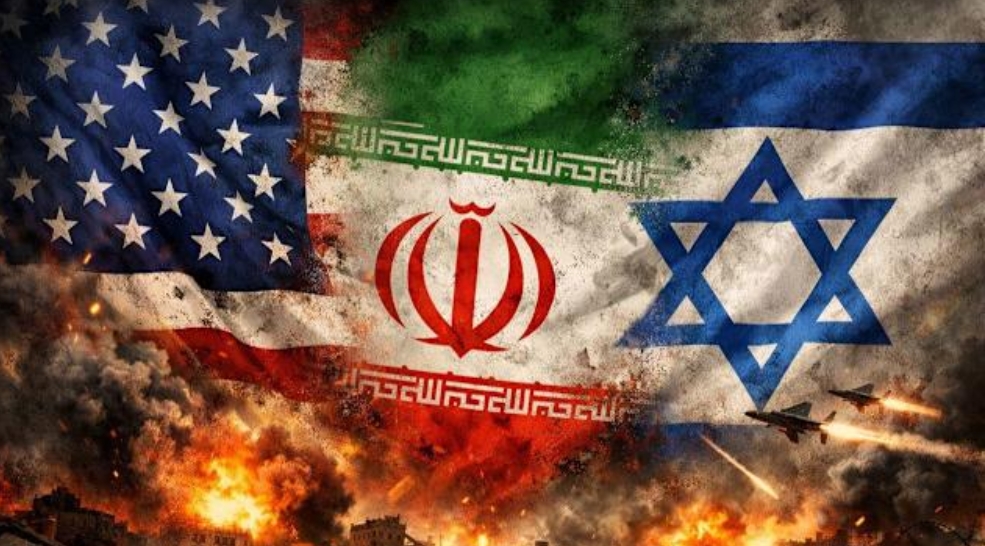
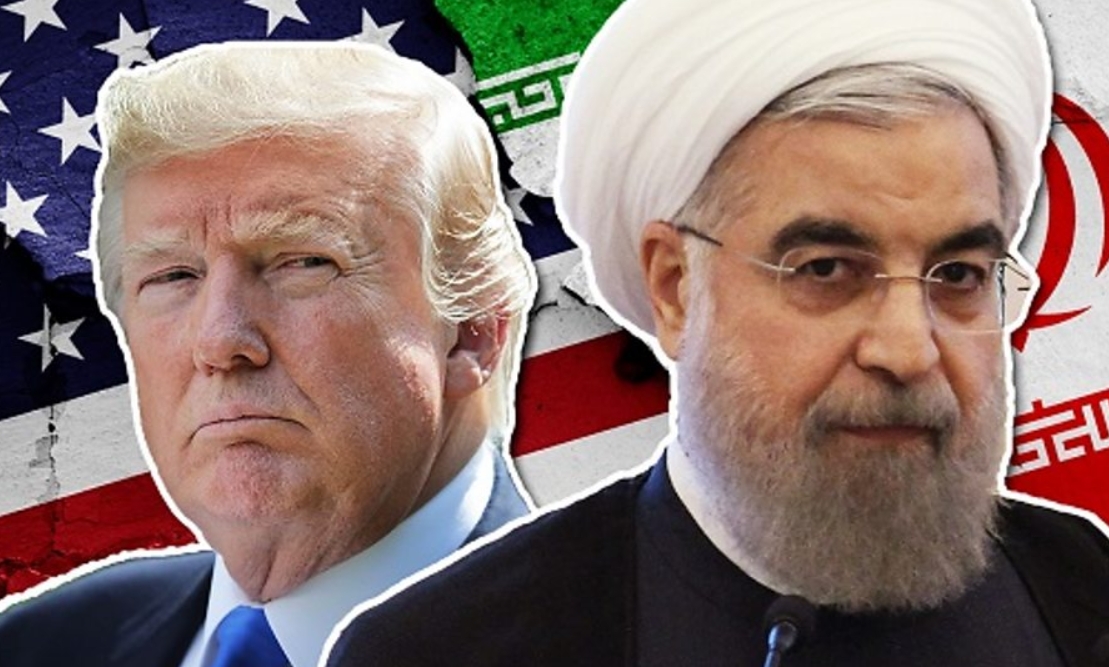
As the current ceasefire agreement approaches its expiration date, geopolitical tensions in the Middle East are once again moving to the forefront of global market concerns. Despite mounting international pressure, Iran has shown no indication of softening its stance, raising the probability of renewed conflict and regional instability.
Geopolitical Risk Returns to Center Stage
The fragile ceasefire, initially seen as a temporary stabilizer, is now entering a critical phase. With no clear commitment from Iran to extend or renegotiate terms, investors are increasingly pricing in the risk of escalation. Historically, such uncertainty tends to trigger a risk-off sentiment, pushing capital toward traditional safe-haven assets like gold and U.S. Treasuries.


However, the current market reaction is showing a notable divergence.
Bitcoin Moves Against the Tide
While equity markets show signs of hesitation and volatility is creeping back into global indices, Bitcoin has demonstrated unexpected resilience. Instead of following the typical risk-off pattern, Bitcoin has moved higher, signaling a shift in how investors perceive digital assets during geopolitical stress.
Several factors are driving this counter-trend movement:
- Decentralization Narrative Strengthens
In times of geopolitical uncertainty, Bitcoin’s independence from sovereign systems becomes more attractive. - Capital Flight Hedge
Investors in regions exposed to instability may turn to crypto as a means of preserving capital and bypassing traditional financial controls. - Institutional Positioning
Large players are increasingly treating Bitcoin as a macro hedge, similar to gold but with higher upside volatility.
Liquidity Dynamics and Market Structure
Another key driver behind Bitcoin’s strength is liquidity positioning. With global central banks maintaining relatively tight monetary conditions, liquidity remains selective. In this environment, assets with strong narrative support and speculative momentum—like Bitcoin—can attract disproportionate inflows.
Moreover, derivatives data suggests that:
- Long positions are gradually increasing
- Funding rates remain controlled (not overheated)
- Volatility expansion is beginning
This indicates that the current move is not purely retail-driven, but supported by broader market participation.
Risk Scenario: What Happens Next?
If the ceasefire collapses and tensions escalate further, markets could enter a more pronounced risk-off phase. In such a scenario:
- Traditional markets may face downside pressure
- Energy prices could spike
- Safe-haven demand will increase
The key question is whether Bitcoin will:
- Continue acting as a “digital gold” alternative, or
- Re-correlate with risk assets under extreme stress
So far, 2026 market behavior suggests Bitcoin is gradually decoupling—but this trend is still being tested.
The approaching expiration of the ceasefire, combined with Iran’s firm stance, is injecting fresh uncertainty into global markets. Yet, instead of retreating, Bitcoin is showing strength—highlighting its evolving role in the macro landscape.
Whether this marks a structural shift or a temporary divergence will depend heavily on how geopolitical developments unfold in the coming days.