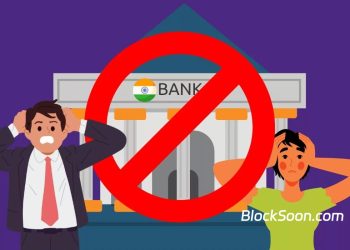
Getting your bank account frozen is a nightmare, especially when you are just trying to navigate the crypto market. It feels like you are being penalized for exploring new financial tech, but there are ways to keep your account safe while you trade.
The upside of staying active in the crypto space is that you stay ahead of the curve in a digital-first economy. You can diversify your portfolio and access assets that aren’t tied to traditional stock markets. The downside, of course, is the constant friction with banking systems. If an account gets flagged, your entire financial life—from paying bills to buying groceries—comes to a screeching halt until the bank finishes its investigation.

Here is how you can keep your bank account running smoothly while trading.
One of the smartest moves is to use a separate bank account dedicated solely to your crypto activities. Keep your primary account, where your salary arrives or where you pay your mortgage, completely away from any crypto platforms. This way, if the dedicated account gets flagged, your daily life is not paralyzed.
When you are doing Peer-to-Peer (P2P) trades, always check the reputation of the person on the other side. High completion rates and a long history of positive feedback are your best friends. Avoid traders who have just joined or those offering rates that seem too good to be true. Those accounts are often the ones that trigger fraud alerts, and if you transact with them, your account gets pulled into the mess by association.
Avoid using words like crypto, bitcoin, or USDT in the payment remarks. Banks often have automated filters that scan for these specific terms. If a transfer is marked with a crypto-related word, the system might automatically freeze the transaction for manual review. Stick to neutral remarks like self-transfer or family support.
Keep your transaction volumes reasonable. If you suddenly start moving large amounts of money back and forth every day, it looks suspicious to the bank’s monitoring software. Gradual, smaller transfers are much less likely to set off alarm bells than a sudden burst of high-value activity.
Always keep a record of your trades and tax filings. If the bank does ask questions, being able to show that the money is yours and that you have paid the required 30% tax on gains proves you are a law-abiding trader rather than someone trying to hide funds.