
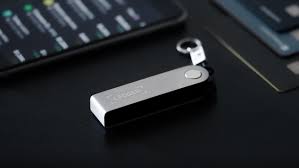
It is legal to hold Bitcoin in a hardware wallet in India as of March 2026. While the Indian government classifies Bitcoin and other cryptocurrencies as Virtual Digital Assets (VDAs) rather than legal tender, there is no law that prohibits individuals from owning them or using self-custody solutions like hardware wallets
Overview of Self-Custody in India
The Indian regulatory framework focuses on taxation and monitoring rather than outright bans. Using a hardware wallet allows you to maintain control over your private keys, which is a permitted activity for Indian residents.


Benefits for Users
Enhanced Security: Hardware wallets keep private keys offline, protecting assets from remote hacking attempts and online malware.
True Ownership: You have full control over your funds without relying on third-party exchanges that could face technical issues or regulatory freezes.
Long-term Storage: These devices are the gold standard for safely holding large amounts of digital assets over extended periods.
Risks and Requirements for Users
Tax Obligations: You must declare any income from the sale or exchange of assets stored in your wallet. Profits are taxed at a flat 30%, and a 1% Tax Deducted at Source (TDS) applies to many transactions.
Personal Responsibility: If you lose your recovery phrase or the device is damaged without a backup, your funds cannot be recovered by any central authority.
Regulatory Scrutiny: The Financial Intelligence Unit (FIU-IND) and tax authorities have increased monitoring of digital asset movements to prevent money laundering and tax evasion.
Key Regulatory Points
Legal Status: Bitcoin is recognized as a taxable digital asset. Holding it is not a criminal offense.
Not Legal Tender: You cannot use Bitcoin for everyday payments, such as buying groceries or paying government fees.
Disclosure: Indian tax laws require you to report crypto holdings and transactions in your annual tax filings.
Exchange Compliance: While wallets are not directly regulated, moving funds to or from Indian exchanges requires strict KYC (Know Your Customer) verification.