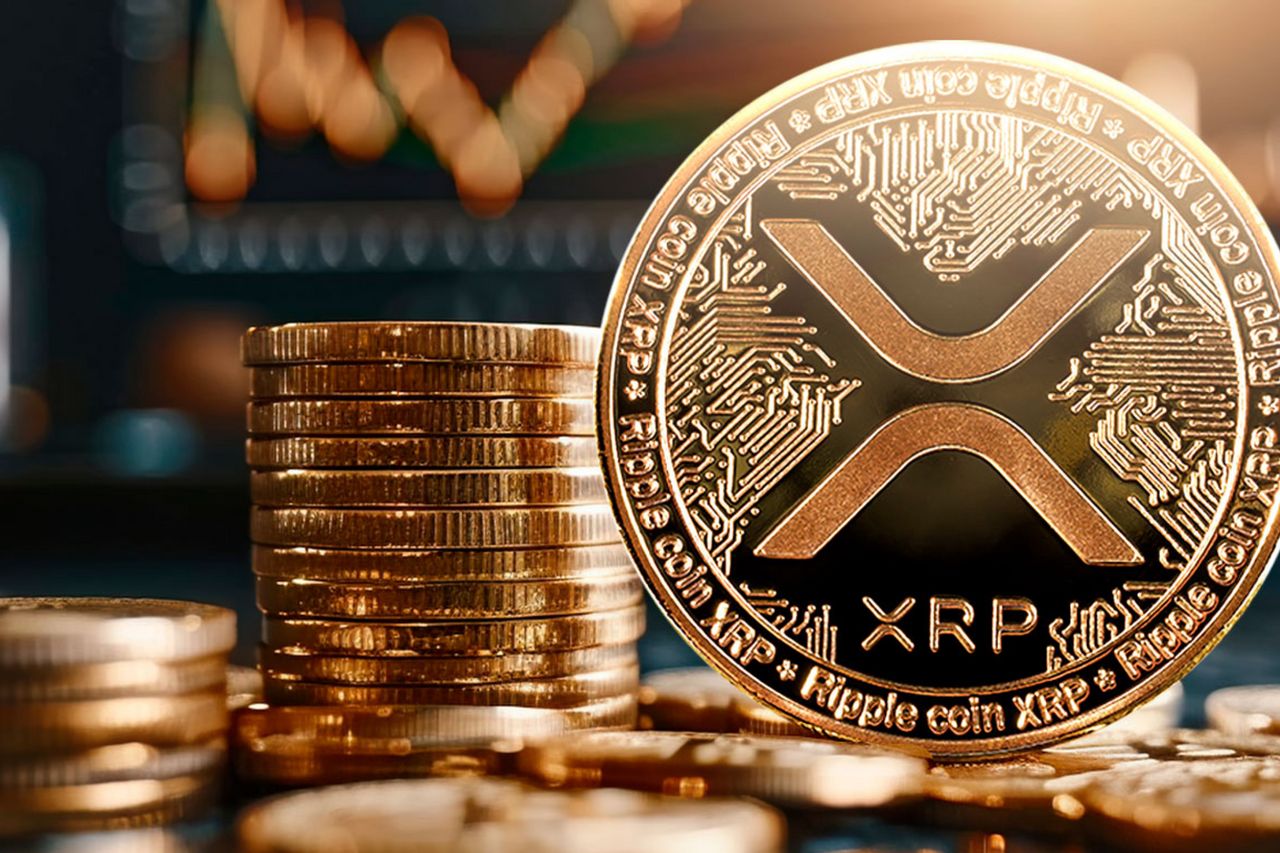
Technical analyst Vincent Van Code recently published an analysis comparing the economic fundamentals of memes with the actual utility of XRP. His core argument is that XRP is not a speculative asset designed to artificially create scarcity, but rather a highly liquid instrument. While memes rely on large-scale burning to artificially create scarcity and drive up prices, XRP thrives on trading volume and its functional integration within the global financial system.
XRP’s true value lies in its ability to provide instant, low-cost liquidity for international payments. Unlike inflated fiat currencies, XRP’s supply is fixed at 100 billion tokens. Although a small number of tokens are burned during transaction fees, the supply remains relatively stable, ensuring the security of Ripple’s On-Demand Liquidity (ODL) service. This system eliminates the need for pre-deposited funds in overseas accounts, a shift that could ultimately free trillions of dollars of tied-up capital.




For example, suppose $100,000 is transferred from the US to Thailand. Traditional banking services take several days, incur fees as high as 6%, and require upfront capital. Using XRP and ODL, USD can be converted to XRP, transferred on the ledger at an extremely low price within seconds, and settled immediately in Thai Baht. This model reduces costs by up to 60% and is currently in use in major trading corridors such as Japan and Latin America. As of March 2026, Ripple Payments has processed over $100 billion in transactions across 60 markets.
A key insight from Van Code explains why large-scale institutional use requires a higher price. If the value of XRP remains low, the number of tokens needed to transfer massive sums will exceed the current supply. For example, to make a $1 trillion payment at a price of $1, the total number of tokens required would be ten times the total supply. However, if the price of each token is $2,000, the same transfer would only require 500 million tokens—a perfectly feasible number. It is based on this logic that institutional models predict a XRP value of $1,000 or higher to support trillions of dollars in daily trading volume in the global foreign exchange market.
Currently, approximately $27 trillion in the global financial system sits idle in pre-funded accounts, solely for future payments. XRP’s efficiency releases this idle capital. Its predictability is maintained through a custodian system that locks a significant portion of the token supply, releasing tokens monthly to support market making without triggering a sell-off.
Ultimately, the combination of high transaction speed and practical utility creates a virtuous cycle. Increased usage drives demand, supporting a higher price floor. Higher prices, in turn, promote even greater trading volume, further driving adoption.