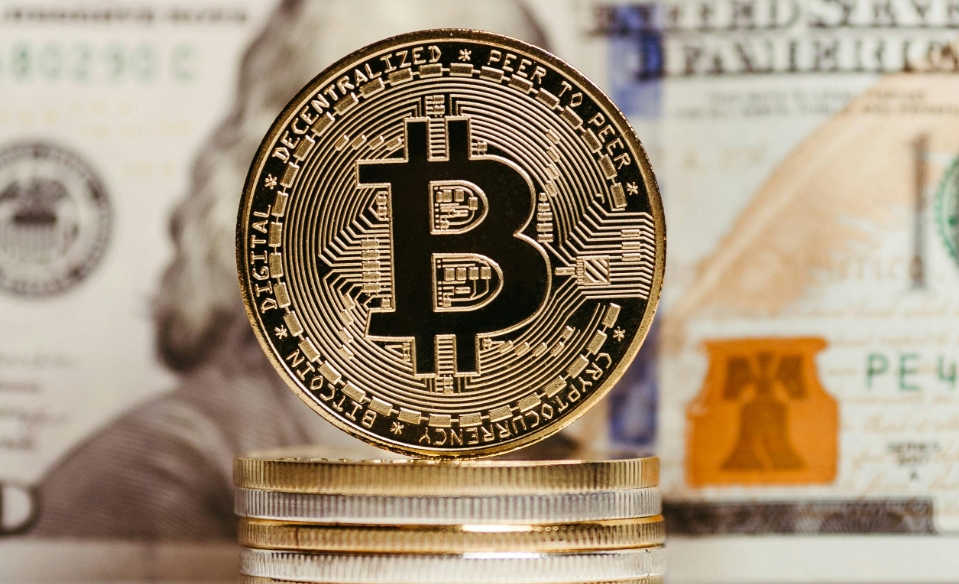



The question of whether India will adopt Bitcoin as legal tender involves complex regulatory, economic, and political factors. Based on the current landscape, here is an analysis of the situation:
Stance of the Reserve Bank of India (RBI)
The RBI remains a staunch critic of private cryptocurrencies. The central bank has consistently highlighted risks regarding financial stability, monetary policy control, and potential use for money laundering. Their preference lies in the Digital Rupee (e₹), India’s own Central Bank Digital Currency (CBDC), which they view as a safe, regulated alternative to Bitcoin.
Government Regulatory Framework
The Indian government has shifted from considering a total ban to a policy of Taxation and Supervision. In 2022, India introduced a 30% tax on gains from virtual digital assets and a 1% Tax Deducted at Source (TDS) on transactions. This move treats Bitcoin as an asset class or commodity rather than a form of currency or legal tender.
Financial Sovereignty and Macroeconomics
For a country like India, granting Bitcoin legal tender status would mean:
- Loss of Monetary Control: The government would lose the ability to manage inflation and money supply through the Rupee.
- Currency Volatility: Bitcoin’s price swings are seen as too risky for a developing economy that prioritizes stable retail prices and social welfare.
- IMF and Global Pressure: International bodies like the IMF have cautioned nations against adopting crypto as legal tender, citing risks to macro-financial stability.
The Rise of G20 Consensus
During its G20 presidency, India advocated for a Global Synthesis Paper on crypto regulation. The consensus reached focuses on a coordinated global framework rather than individual nations legitimizing Bitcoin as a primary currency. The goal is to regulate the industry to prevent harm while fostering underlying blockchain technology.
Comparison with El Salvador
Unlike El Salvador, which had a dollarized economy and high reliance on remittances, India has a robust domestic payment infrastructure (UPI) and a strong national currency. This reduces the practical necessity for a decentralized alternative like Bitcoin for everyday payments.
While Bitcoin continues to gain popularity as a digital gold or speculative investment among millions of Indians, it is highly unlikely to become legal tender in the foreseeable future. The focus remains on Regulation over Recognition.
Are you interested in how India’s 30% crypto tax compares to other major economies, or do you want to know more about the Digital Rupee?