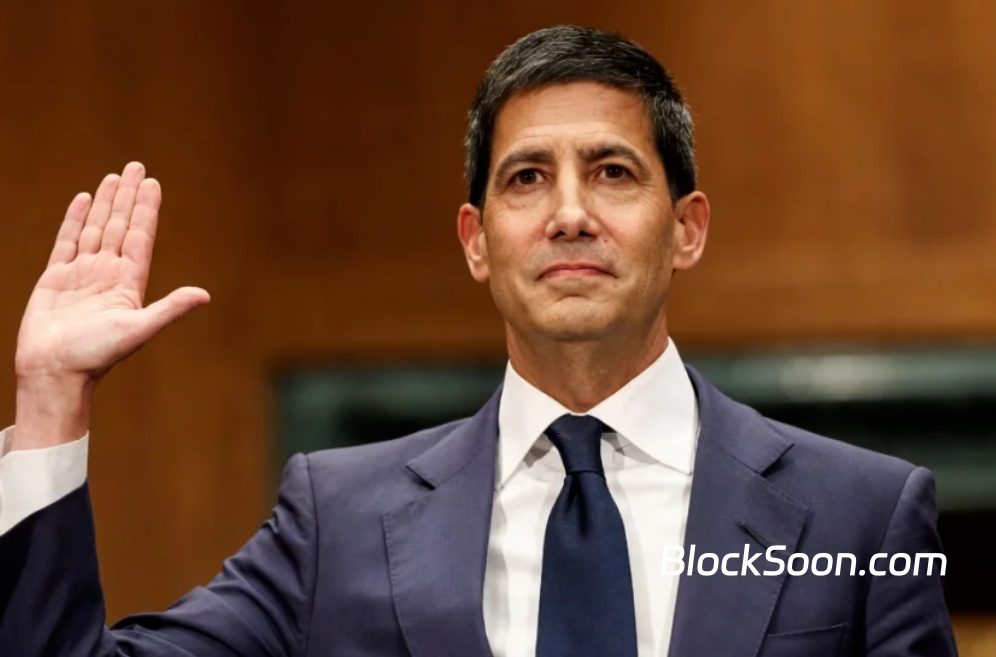
At his first meeting as Federal Reserve Chairman, Kevin Warsh essentially announced that he would no longer provide forward guidance. Interest rates remained in the 3.5% to 3.75% range, but the real focus was on how he broke with convention and left the market bewildered.
Stocks took a hit. The S&P shed serious value in a hurry. I get why people are rattled. For years we’ve grown used to the Fed spelling out its next moves like a roadmap. Now Warsh is saying, figure it out from the data yourself.




What exactly changed in that statement
He shortened everything. Removed the easing bias language that had been hanging around. In the press conference he was blunt about it. Forward guidance just isn’t the business they should be in right now.
This matches what Warsh has argued for a while. He thinks those pre-set signals boxed the Fed in during past mistakes, especially around calling inflation transitory. By stepping back, he’s pushing for more flexibility. Data comes in, they react meeting by meeting. Sounds clean in theory.
But markets hate uncertainty. Bond yields jumped. Gold dipped. Tech and growth names felt the pressure hardest because higher-for-longer or even hike risks suddenly looked more real. Nine officials now see a possible rate increase later this year according to the dots, even if the official line stayed neutral.
I caught a quick simulated exchange in my head with a trading buddy:
- “Dude, no more hints on cuts?”
- “Yeah, Warsh wants us watching CPI and jobs numbers instead of Fed tea leaves.”
- “So… volatility incoming?”
- “Exactly. Buckle up.”
Why this shift matters for your portfolio right now
Warsh is betting that less hand-holding will actually make policy better over time. No more getting locked into a path that doesn’t fit new realities. With inflation still sticky from energy shocks and solid growth holding up, this data-dependent stance could mean quicker responses if things heat up.
For stocks, it removes one layer of artificial calm. Expect bigger swings around economic prints. Companies with strong balance sheets and real earnings should hold up better than those priced on endless easy money hopes. Defensive sectors might see renewed interest if rate hike odds keep ticking up.
I keep thinking back to past cycles. When the Fed got too cute with signals, corrections followed once reality diverged. Warsh seems determined to avoid that trap. Smart move long term? Probably. Short term for traders? It just made the game harder.
- Watch inflation readings closely this summer
- Track oil and energy costs after recent geopolitical shifts
- Favor businesses that don’t need low rates to survive
- Keep some dry powder for dips created by this new uncertainty
The AI boom and productivity gains Warsh has mentioned before could still support growth, but only if inflation cooperates. His task forces on communications and the balance sheet signal bigger changes ahead. This was just day one.
I’m not panicking. Markets always test new Fed chairs. Warsh’s approach feels more honest than promising paths they might have to abandon later. It forces all of us to stay sharper on fundamentals instead of chasing whispers from Washington.
That might be uncomfortable for a while, but in the end it could lead to healthier pricing across stocks. We’ll see how it plays out. For now, I’m keeping positions balanced and eyes wide open on the next batch of economic numbers.