
Let’s be honest,
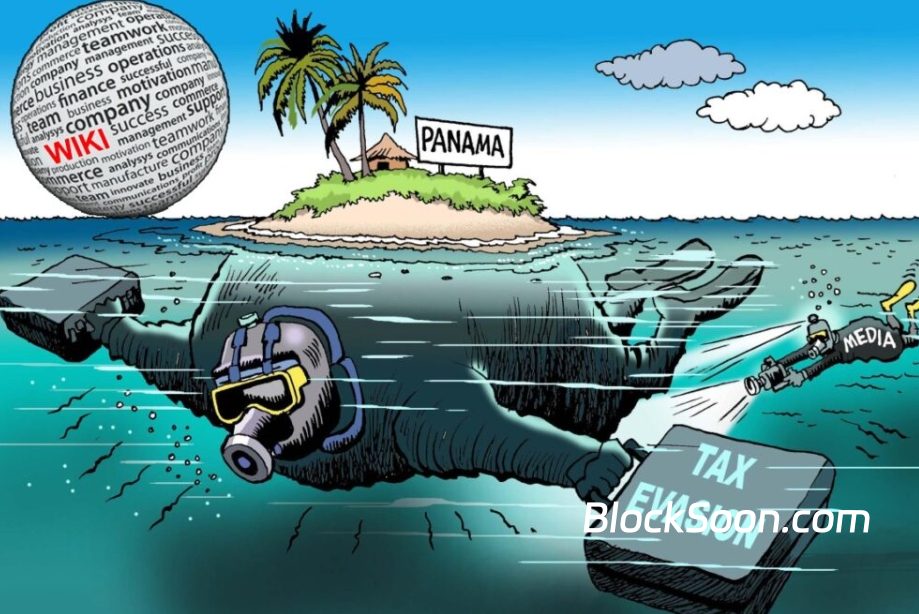
For years, many crypto investors believed that moving assets to overseas exchanges, private wallets, or NFT marketplaces could keep them away from the tax radar.




A Bitcoin wallet in another country.
An NFT collection stored on a decentralized platform.
A few transactions made through international exchanges.
Many people assumed these activities would remain invisible.
That assumption is becoming increasingly risky.
India is now moving toward full implementation of the Crypto-Asset Reporting Framework, commonly known as CARF, and the impact could be much bigger than most investors realize.
What Exactly Is CARF?
CARF was developed by the Organisation for Economic Co-operation and Development, better known as the OECD.
The goal is simple:
Allow countries to automatically exchange crypto transaction data with each other.
Think of it as the crypto version of international banking information sharing.
Just as governments can now access certain overseas bank account information, they are preparing to do something similar with digital assets.
For Indian taxpayers, this means crypto activities conducted outside India may become far more visible than before.
Why Is India Interested in CARF?
India has one of the largest crypto user bases in the world.
From young professionals in Bengaluru and Hyderabad to small business owners in Mumbai and Delhi, millions of Indians have invested in digital assets.
The challenge for authorities has always been tracking cross-border transactions.
Many investors shifted activity to:
- Foreign crypto exchanges
- Self-custody wallets
- DeFi protocols
- NFT marketplaces
- Offshore trading platforms
From a regulatory perspective, this created blind spots.
CARF is designed to reduce those blind spots.
The Biggest Change: Global Crypto Transparency
The era of assuming overseas equals invisible is fading fast.
Under CARF, participating jurisdictions can collect and exchange information about crypto transactions.
This may include:
- User identity details
- Wallet ownership information
- Transaction history
- Asset transfers
- Exchange account activity
For investors who previously believed offshore activity was beyond the reach of Indian tax authorities, this represents a significant shift.
What About Private Wallets?
This is where many people become confused.
A common question appears frequently in Telegram groups:
If I hold crypto in my own wallet, am I safe from reporting?
The answer is more nuanced than many influencers suggest.
Holding assets in a private wallet does not automatically eliminate reporting obligations.
The critical factor is often how those assets enter or leave the ecosystem.
For example:
- Buying through a regulated exchange
- Selling through a regulated platform
- Converting crypto into fiat currency
- Transferring funds between compliant institutions
Each step may create a reporting trail.
The blockchain itself never forgets.
And increasingly, regulators are learning how to connect those dots.
NFT Investors Should Pay Attention Too
Many Indian investors entered NFTs during the market boom.
Some viewed NFT platforms as a separate universe from traditional cryptocurrency trading.
CARF changes that perception.
Depending on implementation details and reporting requirements, certain NFT transactions could become part of broader crypto-asset reporting frameworks.
If you have bought, sold, or traded NFTs internationally, proper record keeping is becoming more important than ever.
Why This Matters for Indian Families
In India, financial decisions rarely affect only one person.
A crypto investment made by a young software engineer may eventually support:
- Parents’ retirement plans
- Children’s education
- Future home purchases
- Family business expansion
Unexpected tax issues can disrupt long-term financial goals.
That is why compliance is no longer just a legal topic.
It is a personal finance topic.
Common Misconceptions About CARF
Myth 1: Foreign Exchanges Cannot Share My Data
Not necessarily.
If an exchange operates within a participating jurisdiction and falls under reporting requirements, information sharing may become possible.
Myth 2: NFT Transactions Are Completely Invisible
This assumption is becoming increasingly outdated.
Regulators worldwide are paying greater attention to NFT-related activities.
Myth 3: Wallet Transfers Cannot Be Tracked
Blockchain transactions remain permanently recorded.
Modern analytics tools have become far more sophisticated than many investors realize.
What Indian Crypto Investors Should Do Now
Instead of worrying, focus on preparation.
Keep Detailed Records
Maintain documentation for:
- Purchase dates
- Sale dates
- Wallet transfers
- Exchange statements
- NFT transactions
Future reporting requirements become much easier when records are organized.
Review Overseas Holdings
Many investors have accounts spread across multiple platforms.
Take time to create a complete inventory of:
- Exchanges
- Wallets
- NFTs
- DeFi positions
- Staking assets
You cannot manage what you cannot track.
Avoid Risky Advice from Social Media
Every bull market creates a new wave of self-proclaimed tax experts.
Some promise secret loopholes.
Others claim governments cannot track blockchain activity.
Reality is often very different.
Professional tax advice costs money, but mistakes can cost much more.
Will CARF Increase Crypto Taxes in India?
This is one of the most searched questions right now.
The answer is no.
CARF itself does not create a new tax.
Instead, it improves information sharing between jurisdictions.
The purpose is transparency and compliance rather than introducing additional tax rates.
The existing tax rules and reporting obligations remain separate from CARF implementation.
Frequently Asked Questions
Is CARF already active in India?
India is aligning with international efforts to strengthen crypto reporting and information exchange, making CARF highly relevant for investors.
Can offshore wallets still be used legally?
Yes. Ownership of overseas wallets is not automatically illegal. Compliance with applicable tax and reporting obligations remains essential.
Are NFTs included in future reporting frameworks?
Certain NFT activities may fall within broader crypto reporting requirements depending on regulatory interpretation.
Should long-term holders be concerned?
Long-term investors should focus on maintaining accurate records rather than attempting to hide transactions.
The Bigger Picture
Crypto is no longer the wild west it once appeared to be.
Governments worldwide are building systems that make digital assets part of the global financial reporting landscape.
For Indian investors, the message is becoming clearer every year:
Transparency is replacing anonymity.
Whether you hold Bitcoin, Ethereum, stablecoins, NFTs, or diversified crypto portfolios, proper documentation and compliance are quickly becoming as important as choosing the right investment.
The investors who adapt early are likely to face fewer surprises in the years ahead.
And when it comes to protecting hard-earned wealth, that is truly Paisa Vasool thinking.