The lines between traditional finance and crypto are becoming increasingly blurred.
Not long ago, investing in a major IPO required a brokerage account, access to public markets, and often a bit of luck to secure shares before they started trading.




Today, a new concept is gaining attention across the digital asset industry: tokenized stocks and tokenized IPOs.
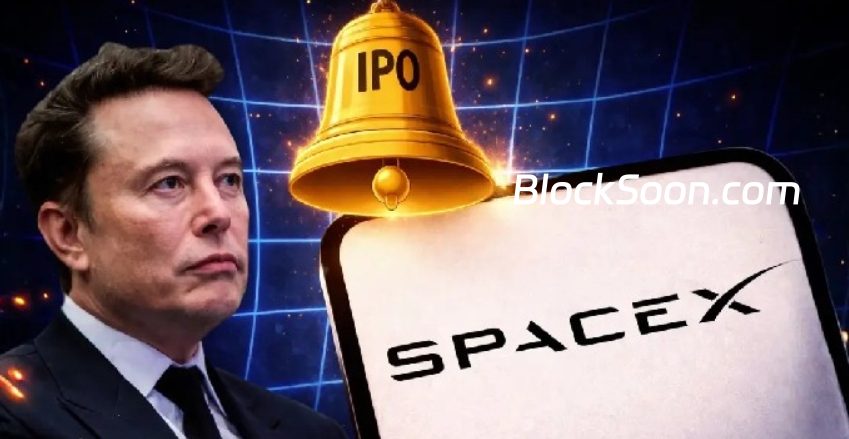
With the excitement surrounding SpaceX’s public debut, many investors are asking a new question.
Can you buy SpaceX on the blockchain?
The answer depends on how tokenized assets work and what rights those digital representations actually provide.
What Is a Tokenized IPO?
A tokenized IPO refers to blockchain-based tokens that are designed to represent ownership exposure to a publicly traded company.
Instead of purchasing shares through a traditional stock exchange, investors buy digital tokens that track the value of those shares.
These assets are typically issued on blockchain networks and can be traded much like cryptocurrencies.
The goal is simple:
Make stock market access more flexible, global, and available around the clock.
For investors already familiar with crypto exchanges, the experience often feels far more familiar than opening a traditional brokerage account.
Why Are Investors Interested in Tokenized Stocks?
The appeal goes beyond convenience.
Tokenized equities offer several potential advantages:
- Fractional ownership
- Faster settlement times
- Global accessibility
- Blockchain transparency
- Potential 24/7 trading availability
Instead of buying an entire share, investors may be able to purchase a small fraction of an asset.
This lowers the barrier to entry, especially for high-priced stocks.
As companies like SpaceX attract worldwide attention, tokenized products could make participation easier for smaller investors.
How Would a Tokenized SpaceX Asset Work?
Imagine a blockchain token linked to the value of SpaceX shares.
As the stock price rises or falls, the token reflects that movement.
Depending on the issuer and jurisdiction, these tokens may be backed by actual shares held in custody or structured through financial agreements that mirror market performance.
This is where investors need to pay close attention.
Not every tokenized asset represents direct ownership.
Some provide economic exposure only.
Others may offer rights tied to underlying shares.
Understanding the structure behind the token is essential before investing.
Key Differences Between Stocks and Tokenized Stocks
Many beginners assume they are exactly the same.
In reality, there can be important distinctions.
Traditional stock ownership may include:
- Voting rights
- Dividend eligibility
- Regulatory protections
Tokenized versions may vary depending on the platform.
In some cases, holders receive economic exposure without shareholder privileges.
That does not necessarily make them inferior.
It simply means investors should understand what they are buying.
Why Tokenized IPOs Could Change Investing
For decades, access to high-profile IPOs has often favored institutional investors and large funds.
Retail participation frequently arrived after the initial excitement had already pushed prices higher.
Blockchain technology introduces a different model.
By creating digital representations of financial assets, markets become more accessible and potentially more efficient.
This concept has attracted interest from both crypto-native companies and traditional financial institutions.
Many industry observers believe tokenized securities could become one of the most important trends of the next decade.
Risks Every Beginner Should Know
The opportunity is exciting, but tokenized assets are not risk-free.
Investors should consider:
Regulatory Uncertainty
Rules differ across countries and continue to evolve.
Platform Risk
The quality and credibility of the issuing platform matter.
Liquidity Concerns
Some tokenized assets may have lower trading activity than traditional stocks.
Asset Structure
Not all tokens provide identical rights or protections.
Research is essential before committing capital.
Is Tokenized SpaceX the Future?
SpaceX represents more than a single company.
It symbolizes a growing shift toward the digitization of financial markets.
Whether through tokenized stocks, blockchain-based settlement systems, or digital asset exchanges, investors are witnessing the early stages of a significant transformation.
As adoption grows, buying exposure to major companies through blockchain networks may become increasingly common.
What feels innovative today could eventually become a standard part of global investing.
Tokenized IPOs offer a glimpse into how financial markets may evolve in the coming years.
For beginners, the concept is surprisingly straightforward.
Traditional assets are represented by blockchain-based tokens, creating new ways to access investment opportunities.
As interest in companies like SpaceX continues to rise, tokenized finance is likely to remain a major topic across both the crypto and stock market worlds.
The technology is still developing, but the direction is becoming increasingly clear.
Blockchain is no longer just changing money.
It is beginning to reshape how people invest.