If you only looked at global stock markets this week, you would think investors had suddenly become optimistic again.
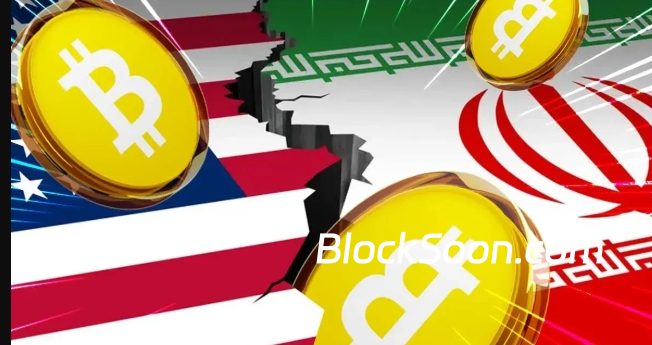
The proposed 60-day peace roadmap between the United States and Iran, reportedly discussed in Switzerland, helped fuel a strong rally across Asian equities and U.S. futures. Oil prices softened. Risk appetite returned.




At least that is what happened everywhere except crypto.
Bitcoin barely moved.
And that might be the most important story in the market right now.
Stocks Are Celebrating. Bitcoin Is Watching From the Sidelines.
I spent part of the day reading trader reactions across English-speaking crypto communities.
The mood was surprisingly frustrated.
Many traders kept repeating the same phrase:
Crypto sits out the rally.
That sentence captures the current environment perfectly.
Traditionally, when geopolitical tensions ease, investors rotate back into risk assets. Stocks rise. Growth sectors outperform. Speculative assets often receive fresh capital.
This time Bitcoin seems completely disconnected from that script.
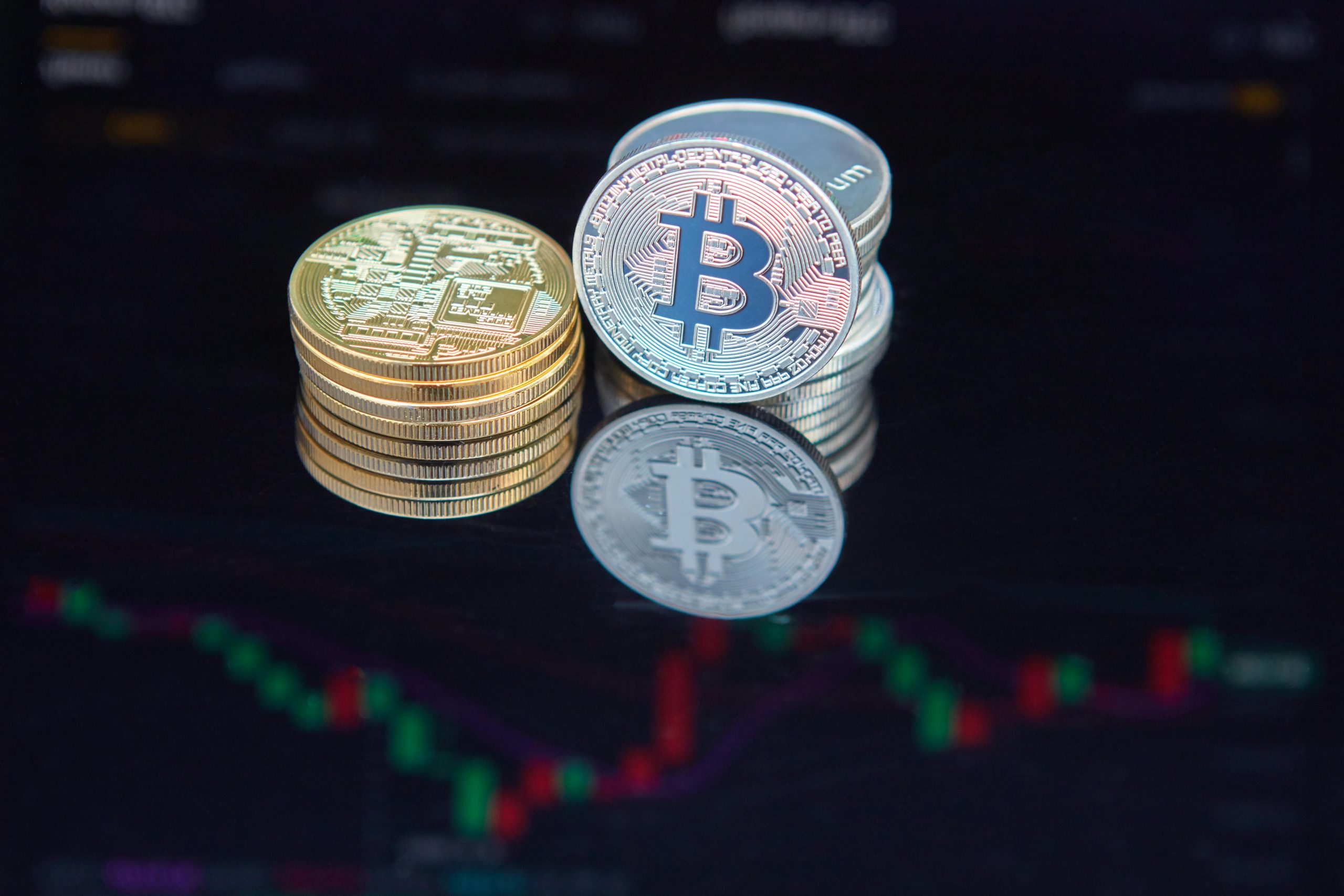
Instead of chasing higher prices alongside equities, BTC remains trapped around the $64,000 range, moving sideways while stock investors enjoy the relief rally.
That tells me something deeper is happening beneath the surface.
The Market No Longer Knows Which Headline Matters More
One moment investors are discussing peace.
The next moment they are discussing war.
Shortly after optimism surrounding the peace framework emerged, fresh geopolitical concerns returned.
Trump issued new warnings involving possible military action against Hezbollah in Lebanon.
Iran responded with renewed threats regarding the Strait of Hormuz.
For anyone following macro markets, that waterway is impossible to ignore.
A significant portion of global oil shipments passes through it.
Any disruption there immediately affects energy markets, inflation expectations, bond yields, and risk sentiment worldwide.
The result?
Investors are struggling to decide which narrative deserves more attention.
- Peace agreement optimism
- Escalation risk in the Middle East
- Inflation concerns
- Federal Reserve policy uncertainty
- Rising Treasury yields
When too many macro forces collide at once, capital often becomes cautious.
And crypto appears to be paying the price.
Bitcoin Is Facing a Different Problem Than Stocks
This is where I think many traders are missing the point.
The stock market and Bitcoin are reacting to different pressures.
Stocks are reacting to reduced geopolitical risk.
Bitcoin is reacting to tighter liquidity.
Those are not the same thing.
Even if geopolitical fears decline, crypto still has to deal with:
- A strong U.S. dollar
- Elevated bond yields
- Persistent inflation concerns
- Reduced speculative capital
- ETF flow uncertainty
That combination creates a difficult environment for Bitcoin.
The market may feel safer.
Money still isn’t flowing aggressively into crypto.
A Conversation Happening Inside Every Trader’s Head
The current situation almost feels like this:
Stock Trader: Peace talks are progressing. Buy risk assets.
Crypto Trader: Then why isn’t Bitcoin moving?
Stock Trader: Markets love stability.
Crypto Trader: Treasury yields are still climbing.
Stock Trader: Equities are breaking higher.
Crypto Trader: Bitcoin cares about liquidity more than headlines.
Honestly, both sides have a point.
That is why this period feels so confusing.
Sideways Markets Create More Frustration Than Crashes
A sharp selloff creates fear.
A sharp rally creates excitement.
A sideways market creates exhaustion.
Bitcoin has spent weeks struggling to establish a clear direction.
Every small breakout gets sold.
Every dip attracts buyers.
The result is a market that goes nowhere while everyone waits for the next catalyst.
From my experience, these periods often test investor patience more than actual corrections.
People begin questioning their convictions.
They chase other assets.
They search for explanations.
Then suddenly one side wins and the range disappears.
What I Am Watching Next
I am paying attention to three things above all else.
First, whether geopolitical tensions actually cool down rather than simply generating temporary headlines.
Second, whether Treasury yields stop climbing.
Third, whether Bitcoin ETF flows stabilize.
If those factors improve simultaneously, Bitcoin may finally break free from its current range.
Until then, I would not be surprised to see BTC remain stuck while traditional markets continue reacting to every geopolitical development.
The irony is hard to miss.
For years critics argued that Bitcoin was too dependent on risk sentiment.
Today risk sentiment is improving, stocks are rising, and Bitcoin still refuses to participate.
Sometimes the most important market signal is not what moves.
It is what refuses to move.