Many people search for how to buy bitcoin for beginners because they have heard about Bitcoin for years but still do not know where to start.
The confusing part is not understanding that Bitcoin exists. The difficult questions usually appear when someone is ready to buy:




Which platform should I use?
How do I pay for Bitcoin?
Do I need a wallet?
How much Bitcoin should I buy?
Is it safe to leave BTC on an exchange?
I have spent years researching cryptocurrency platforms, testing different trading tools, and watching beginners make the same mistakes repeatedly. Most problems are not caused by Bitcoin itself. They usually happen because users choose the wrong platform, ignore security settings, or rush into buying without understanding how the process works.
Buying Bitcoin today is much easier than it was years ago, but beginners still need a clear process.
This guide explains how to buy Bitcoin step by step, what tools you need, where risks appear, and how I would approach buying BTC if I were starting today.
Before Buying Bitcoin, Understand What You Are Actually Buying
A common mistake among beginners is treating Bitcoin like a normal stock.
When someone buys shares of a company, they own a piece of that business.
Bitcoin works differently.
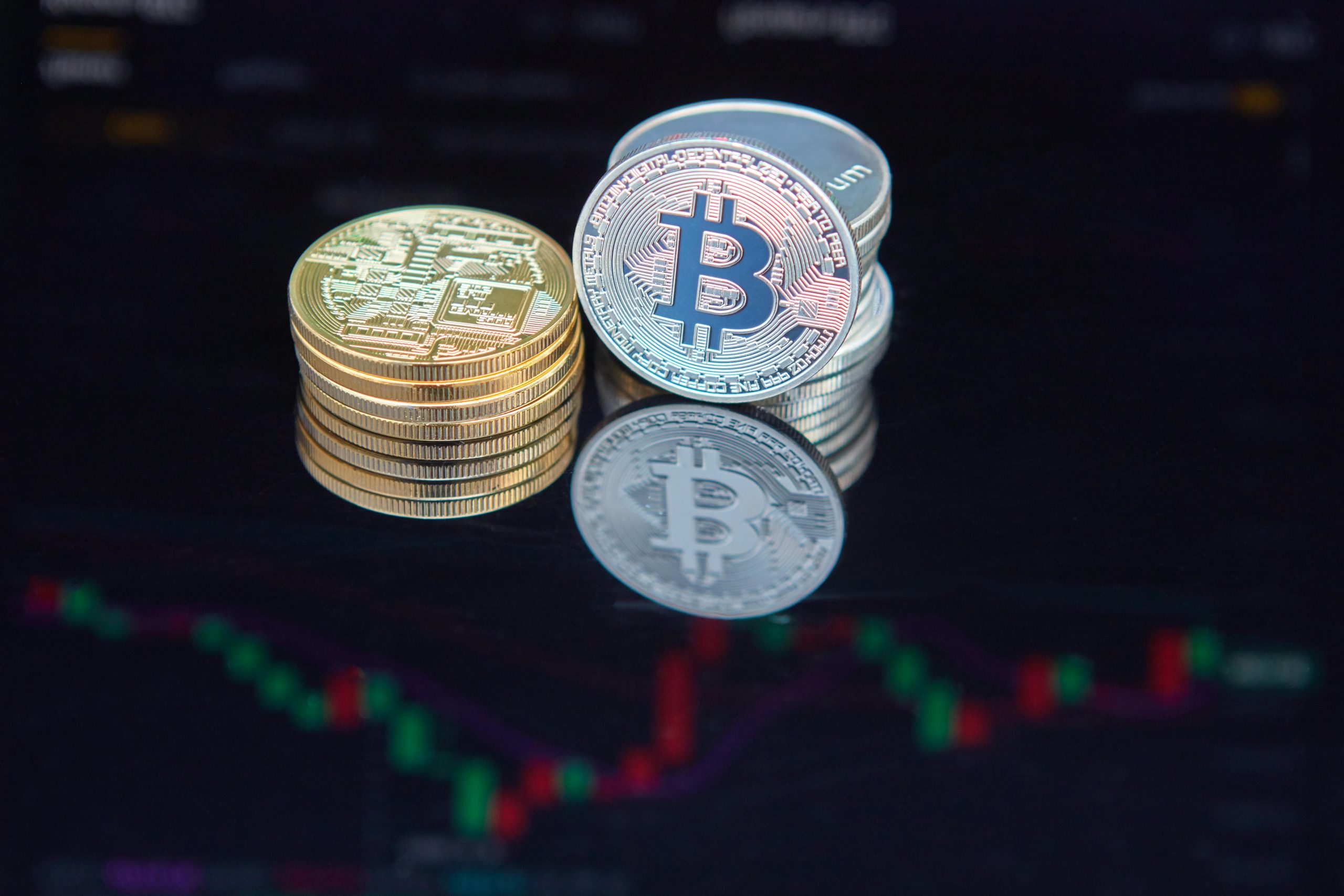
Bitcoin is a decentralized digital asset that operates on a blockchain network. Ownership is controlled through private keys. The Bitcoin itself does not sit inside your phone or computer. Your wallet stores the information needed to access your BTC on the blockchain.
This difference creates two important points:
Buying Bitcoin is not only a financial decision. It is also a security decision.
Many new users focus only on the price:
Bitcoin is $50,000.
Bitcoin is $100,000.
Should I buy now?
The more important question is:
How will I store and protect my Bitcoin after buying it?
I have seen many beginners spend hours comparing exchange fees but ignore basic security settings. A lower trading fee does not matter if account security is weak.
What You Need Before Buying Bitcoin
The process is simpler than many people expect.
A beginner usually needs:
1. A cryptocurrency exchange account
An exchange is where you buy Bitcoin using traditional money such as USD, EUR, or other currencies.
Popular platforms include:
- Binance
- Coinbase
- Kraken
- OKX
Different exchanges have different advantages.
Some focus on beginners with simple interfaces.
Some provide advanced trading tools.
Some support more countries and payment methods.
My view is that beginners should not choose a platform only because it has the lowest fee. Security history, reputation, withdrawal experience, and user support are more important.
2. A payment method
Depending on your location, you may be able to buy Bitcoin through:
- Bank transfer
- Debit card
- Credit card
- Payment services
- Peer-to-peer markets
Bank transfers usually have lower fees.
Cards are convenient but often cost more.
Peer-to-peer trading can provide more payment options, but beginners need extra caution because scams are more common when dealing directly with other users.
3. A Bitcoin wallet
You do not need a personal wallet immediately after buying a small amount.
Many beginners purchase Bitcoin on an exchange and keep learning.
However, if you plan to hold Bitcoin for a long time or manage a larger amount, learning about wallets becomes important.
There are two main types:
Hot wallets
These wallets connect to the internet.
Examples:
- Mobile wallets
- Browser wallets
- Desktop wallets
Advantages:
- Convenient
- Easy for daily use
Risks:
- Online attacks
- Phishing
- Malware
Hardware wallets
These are physical devices designed to protect private keys offline.
Advantages:
- Better long-term security
- Less exposure to online threats
Risks:
- Losing recovery information
- Buying fake devices from unofficial sellers
According to my experience, beginners often worry too much about choosing the perfect wallet at the beginning. The first priority should be learning safe habits.
Step-by-Step: How to Buy Bitcoin for the First Time
The actual buying process is straightforward.
Step 1: Choose a reliable exchange
Before registering, check:
- Supported countries
- Verification requirements
- Deposit methods
- Withdrawal rules
- Security features
Do not register randomly through advertisements or unknown links.
A common beginner mistake is searching for the cheapest Bitcoin price and clicking the first result.
Scammers often create fake exchange websites that look almost identical to real platforms.
Always verify the official website and app before entering personal information.
Step 2: Create an account and complete verification
Most regulated exchanges require identity verification.
The process usually includes:
- Email registration
- Phone verification
- Identity document upload
- Face verification
Some users dislike KYC because it requires personal information.
However, regulated platforms use verification to reduce fraud, money laundering, and account abuse.
The important part is choosing a platform with a strong security reputation.
Step 3: Enable account security immediately
Before depositing money, set up security features.
I recommend:
- Enable two-factor authentication
- Use an authenticator app instead of SMS when possible
- Create a unique password
- Save backup codes offline
Many account theft cases happen because users reuse passwords from other websites.
A crypto account should be treated more like an online bank account than a social media account.
Step 4: Deposit money
After verification, add funds.
The available methods depend on your country.
Common options include:
Bank transfer
Good for:
- Larger purchases
- Lower fees
Weakness:
- Processing time may be slower
Card purchase
Good for:
- Fast buying
Weakness:
- Higher fees
Stablecoin method
Many experienced crypto users use stablecoins such as USDT.
The process usually looks like:
Fiat currency → USDT → Bitcoin
This method is common because USDT is widely supported across crypto platforms.
However, beginners need to understand network choices.
Sending USDT through the wrong blockchain network can permanently lose funds.
How Much Bitcoin Should a Beginner Buy?
This is where many beginners make emotional decisions.
They see Bitcoin rising and think:
I need to buy before it goes higher.
This mindset creates unnecessary pressure.
A better approach is deciding your allocation before buying.
Questions to ask:
- Can I afford to lose this money?
- Am I buying for short-term trading or long-term holding?
- Will a large price drop force me to sell?
Bitcoin can experience large price movements.
A person who buys Bitcoin with money needed for rent, debt payments, or emergency expenses is taking unnecessary risk.
My approach has always been:
The amount you invest matters less than whether you can hold through volatility.
A smaller position held calmly is often better than a large position that creates panic.